Isle of Dogs gardeners guide for estate communal gardens
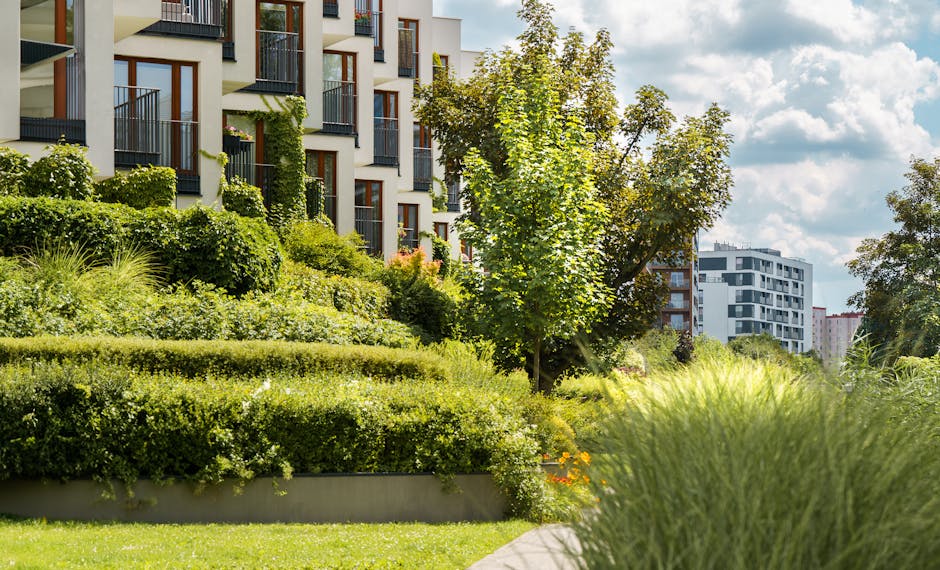
Estate communal gardens can look effortless from the outside. Fresh lawns, tidy borders, clipped hedges, safe paths, and a space people actually want to use. But anyone responsible for them knows it is rarely that simple. In the Isle of Dogs, where shared outdoor spaces sit between busy homes, waterfront weather, shade from tall buildings, and everyday foot traffic, good garden care takes planning. This Isle of Dogs gardeners guide for estate communal gardens is here to make that job clearer, calmer, and far more manageable.
Whether you are a managing agent, a residents' committee member, a freeholder, or simply the person everyone turns to when the flowerbeds start looking sorry for themselves, the basics are the same: protect the space, keep it usable, and maintain a standard that suits the estate. This guide covers how communal garden maintenance works, what good practice looks like, where problems usually start, and how to make sensible decisions without overcomplicating things.
Key takeaway: communal gardens are not maintained well by accident. They stay attractive when the work is regular, the responsibilities are clear, and the gardening plan matches the real conditions on site, not just the ideal version in someone's head.
Why Isle of Dogs gardeners guide for estate communal gardens Matters
Communal gardens carry a different set of pressures from private gardens. They are shared, seen by more people, used more heavily, and judged more quickly. On the Isle of Dogs, that matters even more because many estates sit in tightly managed residential environments where first impressions count. A patchy lawn or overgrown hedge is not just untidy; it can make the whole development feel neglected.
There is also a practical side. Shared green spaces need to be safe, navigable, and robust enough for regular use. A path hidden by soft growth, a slippery corner, or a tree that is getting too close to a building can turn into a nuisance pretty quickly. The trick is to keep the garden attractive while also managing wear, weather, access, and the expectations of residents who may all want something slightly different.
That is why a focused estate approach works better than ad hoc gardening. You are not just cutting grass or pruning shrubs. You are maintaining a small public-facing environment. In our experience, the estates that look best are not the ones with the fanciest planting, but the ones where upkeep is steady, decisions are made early, and nobody waits for a problem to become obvious enough that everyone complains at once. Truth be told, that last part is usually the real challenge.
It also helps to understand the local setting. Isle of Dogs communal gardens can be affected by wind exposure, shade from towers, compact planting areas, heavy footfall, and limited storage or working space. That changes how maintenance should be scheduled and what materials or plant choices make sense. A good gardener does not fight the site; they work with it.
For estates looking to build a consistent standard, it can be useful to review the wider services overview alongside the practical maintenance plan, especially if the garden includes lawns, hedging, planted borders, or hard landscaping that all need different care.
How Isle of Dogs gardeners guide for estate communal gardens Works
Communal garden maintenance works best as a scheduled system, not a reaction to whatever looks untidy on the day. A typical estate plan usually starts with a site review. That review should identify the main features of the garden, the level of use, problem areas, safety concerns, and seasonal pressure points. For example, a north-facing courtyard may need moss control and lighter pruning, while an open lawn area may need more frequent mowing during the growing season.
Once the site is understood, the work can be broken down into repeatable tasks. Those tasks often include lawn mowing, hedge trimming, border tidying, weed control, leaf clearance, shrub pruning, green waste removal, and occasional planting refreshes. Larger or more weathered communal spaces may also need additional attention from garden clearance services when the area has become cluttered, overgrown, or difficult to maintain safely.
There is also a difference between routine maintenance and improvement work. Routine maintenance keeps the garden under control. Improvement work changes the layout, plant structure, access, or finish. If residents keep saying the same bed looks tired every year, that may be a landscaping issue rather than a mowing issue. In that case, a discussion about landscape gardening or broader landscaping may be more useful than simply increasing the cut frequency.
Most estates benefit from a written schedule. Nothing fancy. Just enough detail so everyone knows what happens weekly, monthly, and seasonally. That way, mowing is not delayed because someone assumed it would be done "soon", and pruning is not left until nesting season, height restrictions, or resident complaints create awkward timing. You know the sort of thing.
Key Benefits and Practical Advantages
Good communal garden care gives estates a lot more than visual appeal. The benefits show up in everyday use, resident satisfaction, and long-term upkeep costs.
- Better appearance: neat lawns, clear edges, and well-kept planting make the estate feel cared for.
- Safer access: regular trimming and tidying reduce trip hazards and blocked walkways.
- Lower long-term costs: small, consistent tasks usually cost less than neglected repairs and large-scale restoration.
- Stronger resident confidence: people notice when shared spaces are well run, even if they do not say it out loud.
- More usable outdoor space: clean, open communal gardens get used more often, especially in spring and summer.
- Healthier planting: routine care supports stronger shrubs, better lawn condition, and fewer avoidable losses.
There is a quieter benefit too: fewer arguments. Shared spaces can become emotional surprisingly fast. One resident wants shorter grass, another wants wildlife-friendly planting, someone else is annoyed about fallen leaves, and suddenly the whole subject feels bigger than it is. A clear maintenance approach helps take the heat out of those conversations.
If the estate includes timber structures, raised platforms, or garden seating areas, it may also be worth coordinating maintenance with decking services so the hard landscaping and planting areas age in sync instead of drifting into mismatch.
Who This Is For and When It Makes Sense
This guide is most useful for people who manage or influence shared outdoor areas. That usually includes:
- resident management companies
- right-to-manage groups
- freeholders and landlords
- managing agents
- block managers
- concierge or site teams with garden responsibility
- residents' committees
- developers handing over a new estate
It makes sense any time a garden is shared by multiple households and everyone expects it to remain tidy, safe, and attractive without becoming a burden. That might be a small courtyard, a landscaped courtyard between apartment blocks, or a larger estate garden with lawns and boundary hedging.
It also makes sense when the garden is at risk of sliding into either overmaintenance or undermaintenance. Overmaintenance can waste budget and stress delicate planting. Undermaintenance, on the other hand, leads to patchy grass, weeds, blocked drainage channels, and a general feeling of neglect. Neither is ideal. The sweet spot is a maintenance rhythm that fits the site.
If you are still working out what level of support the estate needs, start by reviewing existing care standards and compare them with current condition. A straightforward conversation about garden maintenance is usually the best starting point before making bigger changes.
Step-by-Step Guidance
Here is a practical way to approach communal garden management without making it a full-time puzzle.
- Walk the site properly. Do not just glance at the visible centre lawn. Check edges, shaded corners, fence lines, bins areas, path borders, and anywhere litter or damp tends to gather.
- List the actual garden assets. Note lawns, shrubs, hedges, planters, trees, paving, seating, irrigation points, and any timber or decorative features.
- Identify the risks. Look for trip hazards, obstructed sightlines, low branches, overhanging growth, and areas where wet leaves or moss create slips.
- Set the routine tasks. Decide what needs weekly, fortnightly, monthly, and seasonal attention. Be honest about what the site really needs, not what sounds efficient on paper.
- Match tasks to the right method. A lawn needs mowing, edges need trimming, hedges need structured pruning, and tired beds may need replanting or clearance.
- Agree access and timings. Estate work is easier when contractors know when they can enter, where they can park, and how residents should be informed.
- Build in waste removal. Green waste, branches, and cuttings need to leave the site cleanly. Otherwise the job looks half done, even if the planting is perfect.
- Review after a season. Gardens change. A plan that worked in April may be wrong by October. Keep checking and adjusting.
One practical observation: on estates with lots of foot traffic, the edges wear out faster than the centre. You can mow perfectly and still have a scruffy garden if the boundary lines are ignored. Simple fix, but easy to miss.
Expert Tips for Better Results
Experienced gardeners tend to focus on consistency first, then detail. That sounds obvious, but it is where many communal gardens go wrong. Here are the habits that usually make the biggest difference.
1. Keep mowing regular, not heroic. Long gaps followed by aggressive cutting stress the lawn and create an uneven finish. A steady routine looks better and is kinder to the grass.
2. Prune for structure, not just tidiness. Hedges and shrubs in shared gardens need shape, balance, and enough space to grow naturally. Cutting everything flat because it is quick often creates more work later.
3. Choose plants for resilience. Isle of Dogs conditions can be hard on delicate plants. Wind, shade, compacted ground, and variable moisture all matter. Tougher planting often gives better results than expensive but fussy planting.
4. Watch the seasonal rhythm. Spring growth, summer watering needs, autumn leaf fall, and winter debris all demand different attention. A seasonal lens keeps the estate looking managed rather than simply cut back.
5. Communicate before visible problems build up. Residents are more relaxed when they know what is planned. A small heads-up about hedge work or clearance reduces complaints later. Amazing how often that saves time.
6. Protect sightlines and access points. Communal gardens are not just decorative. They need to support safe movement, entrances, and daily living. Let the gardening serve the space, not crowd it.
If your estate has a lot of hedging along boundaries, regular attention from hedge trimming specialists can stop the whole site from feeling bulky or overcast. And if trees are becoming part of the issue rather than the background, responsible tree lopping and removal may need to be considered carefully, especially where light, access, or safety is affected.
Common Mistakes to Avoid
Even well-run estates fall into a few familiar traps. The good news? Most of them are preventable.
- Waiting until the garden looks bad. By then, the work is more disruptive, more expensive, and harder to schedule around residents.
- Using one maintenance rhythm for everything. Lawns, hedges, beds, and trees all have different needs.
- Ignoring waste build-up. A tidy cut with messy leftovers still reads as poor maintenance.
- Overplanting small spaces. Beautiful in theory, cramped in practice. Shared gardens need room to breathe.
- Missing communication with residents. People do not need a novel, but they do appreciate knowing when noisy or visible work is happening.
- Cutting corners on safety. Wet surfaces, tools, access routes, and hidden obstacles need proper attention every time.
- Assuming the same contractor or method fits every season. It rarely does. Summer and winter are different beasts.
One slightly awkward but true point: some estate gardens stay in a permanent state of "almost sorted". Everything is technically being done, but nothing is really being maintained with intent. That is usually a planning problem, not a gardening problem.
Tools, Resources and Recommendations
You do not need a shed full of specialist kit to manage a communal garden well. What you do need is the right combination of equipment, records, and service support.
Useful tools and resources include:
- mowers suited to the lawn size and access points
- hedge cutters and pruners for regular shaping
- leaf blowers or rakes for seasonal clear-up work
- barrows or collection bags for green waste movement
- simple site logs for task tracking
- photo records before and after major work
- a maintenance calendar shared with the estate team
For many estates, the biggest improvement comes from combining routine upkeep with occasional deeper works. If beds are choking with weeds, borders have slipped out of shape, or a corner has become full of debris, a one-off tidy-up may need to sit alongside scheduled care. In those cases, garden clearance can reset the space so ongoing maintenance actually has a chance to succeed.
If you are planning a service approach across the whole estate, it can also help to compare maintenance, clearance, and larger improvement work against the wider services overview. That keeps everyone focused on outcomes rather than just tasks.
Law, Compliance, Standards and Best Practice
For estate communal gardens, compliance is less about one single rule and more about sensible duty of care. The exact responsibilities will depend on ownership structure, lease terms, management arrangements, and the nature of the site. So, to be fair, it is worth checking the estate's own documents rather than relying on assumptions.
In practical terms, best practice usually includes the following:
- keeping paths and entrances reasonably clear
- managing trip hazards and slippery build-up
- using appropriate controls when work involves ladders, cutting tools, or moving materials
- making sure contractors are properly insured for the work they carry out
- protecting residents and staff during active maintenance periods
- recording the maintenance schedule and any issues raised
Health and safety matters are especially important where communal gardens sit close to entrances, play areas, railings, car parks, or balconies. If maintenance work is happening near residents' day-to-day routes, planning matters just as much as the gardening itself. A careful provider should be able to discuss site access, safe working methods, and practical controls in line with the estate's own expectations and the relevant health and safety policy.
It is also sensible to confirm insurance and safety arrangements before work begins, especially for hedge cutting, tree work, or any task that could affect people or property. That is not overcautious. It is just sensible estate management.
For estates aiming to reduce waste and improve upkeep practices, a sustainability-led approach helps too. Compostable green waste handling, careful plant selection, and reducing unnecessary replacements all contribute to a more responsible routine. If that matters to your residents, review the contractor's recycling and sustainability approach as part of your decision.
Options, Methods, or Comparison Table
Not every communal garden needs the same service model. Some estates need simple recurring maintenance. Others need a mixed approach with periodic clearance or landscaping work. Here is a straightforward comparison.
| Approach | Best for | Strengths | Limitations |
|---|---|---|---|
| Routine maintenance only | Well-kept gardens with stable planting and predictable growth | Cost-effective, simple to schedule, consistent finish | May not solve deeper layout or overgrowth issues |
| Maintenance plus clearance | Sites with neglected corners, seasonal build-up, or messy borders | Resets the space and makes ongoing care easier | Requires more initial work and planning |
| Maintenance plus landscaping improvements | Estates where the garden feels dated, awkward, or underused | Can improve function, appearance, and resident satisfaction | Higher investment and may need resident agreement |
| Targeted tree and hedge management | Sites where shade, height, or access is the main issue | Improves light, structure, and safety | Needs careful timing and expert judgement |
In practice, many Isle of Dogs estates end up with a blended model. A bit of regular maintenance, some seasonal clearance, and the occasional improvement project. That is usually more realistic than trying to make one approach solve everything.
Case Study or Real-World Example
Take a typical residential estate with a central lawn, perimeter hedges, two planted borders, and a paved walking route between entrances. The garden looks fine in early spring, but by midsummer the grass is uneven, the hedges have started to spill into the path, and the borders are full of weeds after a few missed visits. Residents start commenting. Then someone mentions the path is getting slippery after rain. Then someone else says the whole place feels forgotten. It escalates fast, as these things do.
The estate team responds by resetting the site. First, the overgrown sections are cleared back. Next, the lawn is put on a regular mowing schedule. Hedges are trimmed to restore shape and keep the path open. The borders are tidied and replanted where needed. Waste is removed in the same visit so the site looks finished, not just worked on. A seasonal plan is then agreed so the team knows what happens in summer, autumn, and the quieter winter months.
The result is not glamorous. It is better than glamorous. It is dependable. Residents can use the garden without dodging awkward growth, the space looks cared for, and the management team spends less time reacting to complaints. That is the real win. And honestly, it is often enough.
If a site needs this sort of reset, the practical starting point is usually a combination of structured maintenance and a one-off tidy-up rather than a full redesign straight away. That way, the estate gets control back first, which is the bit that matters.
Practical Checklist
Use this checklist when reviewing a communal garden on the Isle of Dogs:
- Are paths and entrances clear and easy to use?
- Is the lawn cut at a sensible frequency for the season?
- Are hedges trimmed before they block light or access?
- Do borders look tidy rather than overrun?
- Is leaf fall, litter, or wind-blown debris removed regularly?
- Are trees being monitored for size, safety, and light impact?
- Is green waste removed after each visit?
- Are residents informed about scheduled work where needed?
- Are high-risk or hard-to-reach areas included in the plan?
- Does the site need occasional clearance or landscaping improvement?
- Are insurance and safety arrangements confirmed?
- Is there a simple record of visits, issues, and seasonal changes?
If you can answer yes to most of those, you are probably on the right track. If not, do not worry. Most estate gardens improve quickly once the routine becomes clear.
Conclusion
A well-managed communal garden on the Isle of Dogs does not happen by accident, and it does not have to become a headache either. The best results come from a maintenance plan that respects the site, keeps on top of growth, and gives residents a space that feels cared for all year round. When the work is regular, the standards are clear, and the right services are used at the right time, the garden becomes a genuine asset rather than a recurring complaint.
Whether your estate needs routine mowing, hedge work, clearance, or a broader rethink of the outdoor space, start with the basics and build from there. That is usually the calmest, smartest route. And it works.
Get a free quote today and see how much you can save.
For a straightforward next step, explore pricing and quotes when you are ready to compare options. If you want to understand the team behind the service first, the about us page is a useful place to start. When you are ready to speak with someone directly, use the contact us page.
Frequently Asked Questions
What is the best maintenance schedule for estate communal gardens?
There is no single perfect timetable, but most communal gardens benefit from regular weekly or fortnightly attention during the growing season, with seasonal visits for pruning, leaf clearance, and tidying. The right schedule depends on how much the space is used and how fast the planting grows.
How often should lawn mowing be done in a shared estate garden?
That depends on growth rate, weather, and the look you want to maintain. In spring and summer, mowing is often needed more frequently. In quieter periods, the schedule can usually be reduced. The key is consistency. Long gaps make lawns look rough very quickly.
Do communal gardens need different care from private gardens?
Yes. Shared gardens need more attention to access, safety, communication, and overall presentation. They are also used by more people, so wear and tear tends to be higher. A private-garden approach usually is not enough on its own.
What should an estate manager look for in a gardener?
Look for practical experience with shared spaces, clear communication, sensible scheduling, and proper attention to safety and insurance. You want someone who understands that communal gardens are about reliability, not just making things look neat once.
Can a communal garden be improved without a full redesign?
Absolutely. Many estates improve dramatically through better maintenance, targeted clearance, hedge control, and small planting adjustments. A full redesign is only necessary when the layout or plant structure is genuinely not working.
When does garden clearance make more sense than routine maintenance?
Garden clearance is usually the better starting point when the space has become overgrown, cluttered, or difficult to work on safely. Once the site is reset, routine maintenance becomes much more effective and easier to keep on top of.
How do you keep residents happy with communal garden work?
Good communication helps a lot. Share the schedule, explain any visible work in advance, and keep the garden looking finished after each visit. People are usually far more relaxed when they know what is happening and why.
What are the biggest mistakes estates make with garden upkeep?
The usual mistakes are waiting too long between visits, ignoring problem areas, failing to remove waste, and treating every part of the garden the same. Another common one is assuming a tidy surface means the whole site is under control. It often does not.
Do tree and hedge issues matter in communal gardens?
Very much so. Hedges can block paths and light, and trees can affect safety, access, and the overall feel of the site. If they are not managed properly, they can make the whole garden seem tighter and darker than it should be.
How do I know if the estate needs landscaping rather than maintenance?
If the garden is awkward to use, poorly laid out, or visually tired even when it is tidy, landscaping may be worth considering. Maintenance keeps things in order; landscaping improves how the space works and feels. Sometimes you need both.
Is sustainability relevant for communal garden care?
Yes, and more estates are asking about it. Sensible green waste handling, longer-lasting planting choices, and avoiding unnecessary replacements can all make a real difference. It does not need to be complicated to be worthwhile.
What is the simplest way to start if the garden feels overwhelming?
Start with a site walk, identify the worst areas, and separate urgent clearance from routine maintenance. That first bit of clarity changes everything. Once the space is under control, the rest becomes much easier to plan.
The nicest communal gardens are rarely the most dramatic ones. They are the ones that feel settled, cared for, and easy to live beside. That quiet order makes a bigger difference than people sometimes realise.